

The Quality Illusion: When a Pretty Face Can’t Save a Broken Product
Imagine this: You download the latest fancy banking app. The UI is sleek, the animations glide like a figure skater, and you feel like you’ve stepped into the future of finance.
But then—BOOM! Your account gets hacked.
The app that once made you feel like a tech-savvy millionaire now makes you feel like a fool. Turns out, while the interface looked like a Michelangelo masterpiece, the security was held together with duct tape and hope.
Now, let’s flip it.
You’re a factory manager evaluating a new industrial software. It’s powerful. It’s reliable. It can process data faster than you can say “Six Sigma.”
But it looks like Windows 95 had a baby with a calculator.
- Menus look like they were designed in a spreadsheet.
- Buttons are in random places, like a chaotic scavenger hunt.
- The font? Comic Sans. (Okay, maybe not, but you get the point.)
Even though the software is technically superior, you hesitate. Can you really trust a product that looks like it time-traveled from 1998?
This, dear reader, is the paradox of quality and user experience (UX).
If your product looks great but works terribly, you’re building trust that turns into betrayal.
If your product works great but looks outdated, no one will believe in its greatness.
Let’s explore why this happens—and how you can fix it before your customers riot.

The Two Sides of Experienced Quality: A Tale of Two (Bad) Decisions
The Beautiful Deception: When UX is a Fancy Liar
A hot new fintech startup launches a banking app so sleek, even Apple designers are jealous.
- Animations? So smooth they could calm an anxious cat.
- Color scheme? Modern, minimalist, and perfectly Instagrammable.
- Security? …Oops.
Turns out, the password encryption was weaker than instant coffee. A few months in, hackers discovered a way to drain accounts faster than customers could say “fraud alert”.
Cue public outrage, legal nightmares, and mass customer exits.
The irony? The same beautiful UI that initially won users over made them feel even more betrayed. They assumed great UX meant great quality—until reality hit them like a rogue popup ad.
The Diamond in the Rough: When a Great Product Looks Like a 90s Website
Meanwhile, in a small engineering firm, a group of geniuses developed the most reliable industrial software ever.
- It never crashes.
- It processes data at warp speed.
- It’s so stable, NASA could probably run a space mission on it.
But then… they unveiled the interface.
And everyone’s first reaction was: “…Is this a prank?”
- Buttons were placed with no apparent logic—kind of like a toddler playing Tetris.
- The main dashboard looked like it had escaped from the Windows XP era.
- Icons? Let’s just say they made hieroglyphics look modern.
Clients took one look and said, “No thanks.”
Meanwhile, a competitor with a flashier, but way buggier, product started winning contracts.
The engineers were outraged.
“But our product is actually GOOD!”
Yes, it was. But customers never got far enough to find out.
Moral of the story?
Even the best product will fail if users don’t trust it. And trust starts with experience.
The UX-Quality Connection: Why One Without the Other is a Disaster
If UX is Great But Quality is a Dumpster Fire…
Imagine buying a shiny new sports car that looks incredible. You turn the key, the engine purrs, and you speed off feeling like James Bond.
Then, the brakes fail.
Suddenly, that luxury driving experience doesn’t seem so great anymore.
This is what happens when companies prioritize UX over actual functionality:
- A beautifully designed fitness app that crashes mid-workout.
- A modern, sleek food delivery app that constantly messes up orders.
- A fancy chatbot that confidently gives you WRONG answers.
Customers expect a smooth experience, but when things break, their trust turns into anger.
If Quality is Great But UX Feels Like an Old Tax Form…
Now, imagine the opposite.
You visit a gourmet restaurant with the best food in town.
But when you arrive, the menu is handwritten on a napkin, the waiters speak in riddles, and the chairs are made of cardboard.
Would you stay? Probably not.
The same happens with software, machines, and tech products:
- A high-performance accounting system that requires a PhD to use.
- A powerful CRM with buttons so small, you need a magnifying glass.
- A fast cloud service that looks like it was designed in 1994.
Even if the core product is excellent, bad UX makes users doubt it.
How to Make UX and Quality Work Together
So, how do you avoid these disasters and create products that both work well and feel amazing?
1. Define Quality as “Experienced Quality”
- Quality isn’t just performance—it’s how users perceive performance.
- If an app crashes once, users assume it will crash again.
- If the interface is clunky, users assume the entire product is outdated.
Action Step: Test your product as if you were a first-time user. Would YOU trust it?
2. Make UX a Standard Quality Metric
Most companies measure:
- Bugs
- Defects
- Downtime
But do they measure:
- Ease of use?
- First impressions?
- User frustration levels?
They should.
Action Step: Start tracking UX issues as part of your quality assurance process.
3. Bring UX Designers and Quality Teams Together
Developers focus on making things work.
Designers focus on making things feel right.
They need to talk to each other.
Action Step: Have UX and Quality teams collaborate from day one—not just at the end.
4. Build for Trust, Not Just Features
Customers don’t judge your product on how many features it has. They judge it on whether they trust it.
- A clear, intuitive UI builds confidence.
- A stable, bug-free experience keeps that confidence alive.
Action Step: Before launching a new feature, ask: Does this increase or decrease user trust?
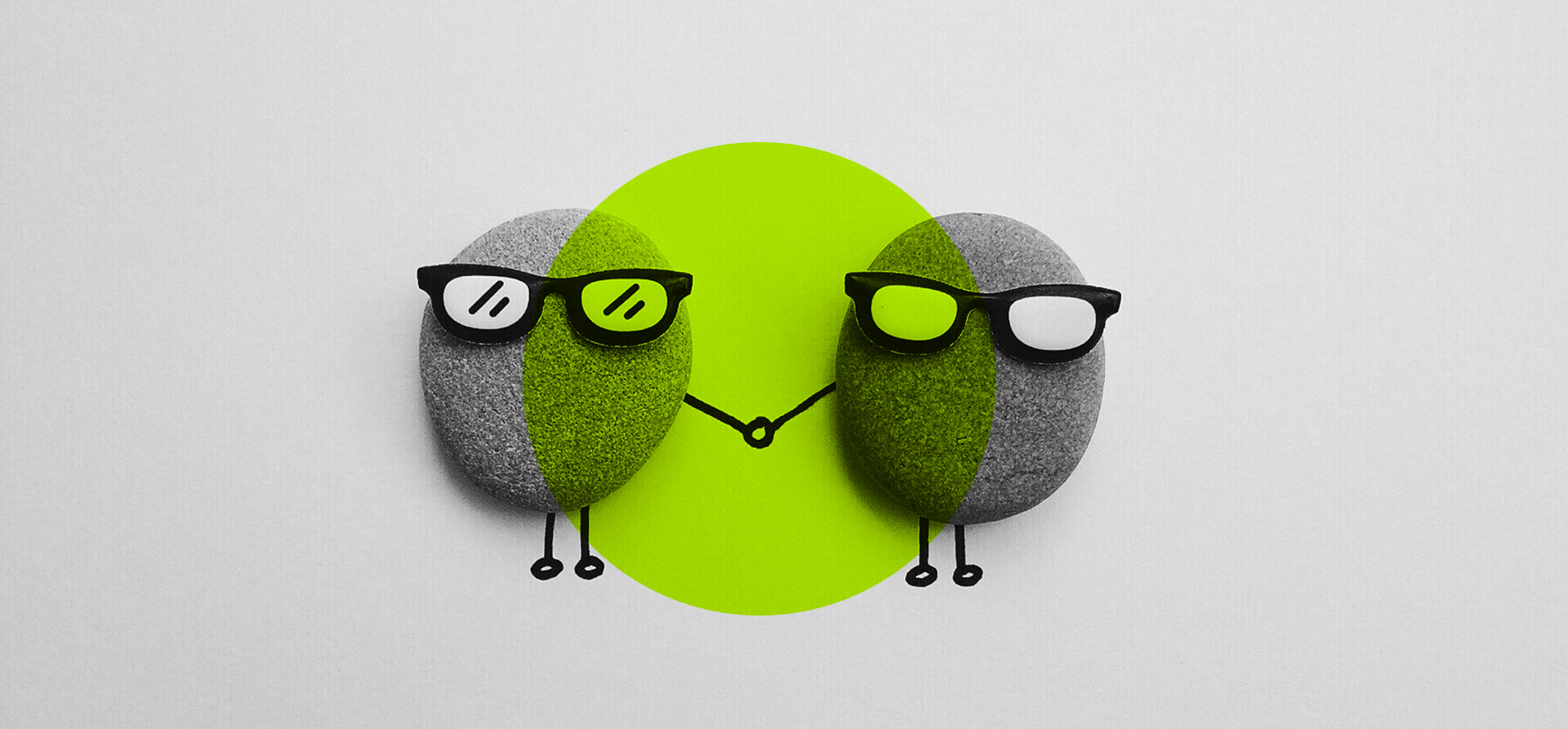
Final Thoughts: Quality and UX are the Ultimate Power Couple
A beautiful interface won’t save a broken product.
A great product won’t succeed if users can’t trust it.
The best companies don’t choose between UX and Quality—they master both.
Your next move?
Take a hard look at your product. Is UX reinforcing trust, or damaging it?
Because at the end of the day, customers don’t care about your technical brilliance—they care about how it feels to use your product.
And if it feels bad, it doesn’t matter how good it actually is.