

How to Reconcile Cybersecurity and User Experience Without Compromise
1. Why This Tension Deserves Your Attention
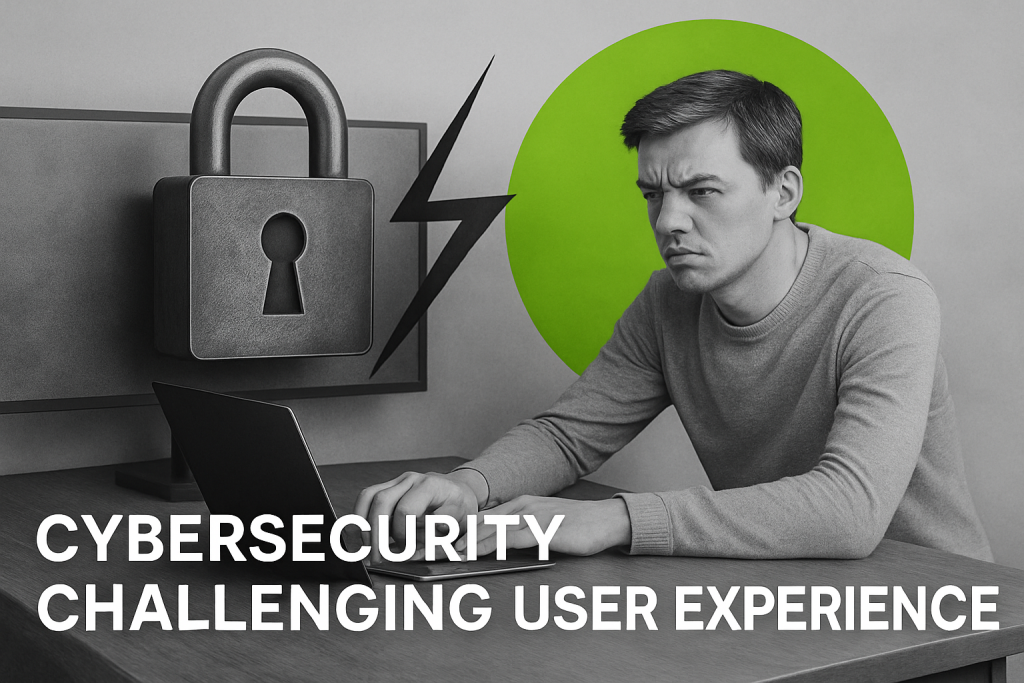
In the digital age, cybersecurity and user experience (UX) are both non-negotiable. But in practice, they often clash. Overly strict security controls can frustrate users. Loosen the reins, and you open the door to risk.
For product and tech leaders, CISOs, and designers, this isn’t just a technical problem — it’s a strategic one. The challenge is no longer about choosing between security or usability. The new mandate is to design for both. Fortunately, advances in AI are helping us break this long-standing trade-off. It’s time to rethink how we design, govern, and measure secure user experiences.
2. The Practical Collision: Where Security Breaks the User Experience
a. Authentication: The Battle of Convenience vs. Control
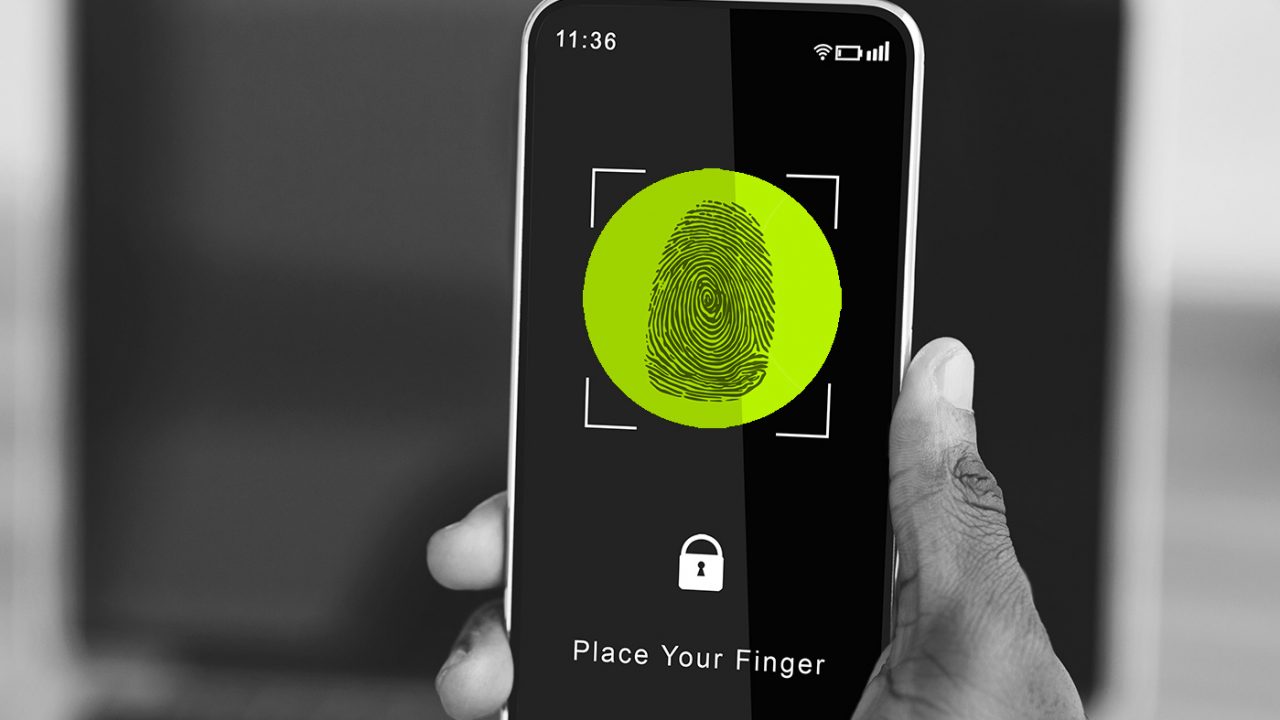
Multi-factor authentication (MFA) is table stakes for secure products, but it often disrupts the user journey. Clunky implementations lead to user fatigue, poor adoption, or even risky workarounds like password reuse.
b. Access Control: Bureaucracy or Business Enabler?
Rigid role-based access controls (RBAC) can slow down onboarding, collaboration, and productivity — especially in agile environments. Over-permissioned users, meanwhile, pose a serious risk due to “privilege creep.”
c. Compliance UX: From Privacy Popups to Process Paralysis
From endless cookie banners to confusing consent flows, privacy interfaces are often built to satisfy legal teams, not users. The result: banner blindness, mistrust, and disengagement.
d. Patching and Upgrades: Necessary But Disruptive
Forced security updates at the wrong time interrupt workflows and create frustration — especially among power users. This kind of friction often drives shadow IT behavior.
3. Rethinking the Playbook: Design Secure Systems That Users Don’t Hate
Security must be viewed as part of the product journey — not an external constraint. The most successful teams apply these principles:
- Design with security from day one — bring CISOs and product designers into early-stage decisions.
- Use risk-tiered models — apply stronger controls where the stakes are higher, not everywhere by default.
- Guide users instead of blocking them — leverage nudges, progressive disclosure, and defaults to encourage secure behavior without overwhelming.
Security should be as thoughtfully designed as the rest of the user experience — not layered on after the fact.
4. How AI Is Rewriting the Balance
AI is making it possible to protect users without penalizing them. Here’s how it’s transforming the landscape:
a. Context-Aware Security
AI-driven adaptive authentication tailors security requirements based on contextual risk. Instead of treating every login the same, it uses behavior, location, and device history to adjust controls in real time — keeping low-risk sessions frictionless and high-risk ones protected.
b. Smarter Access Governance
AI enables dynamic access provisioning by analyzing real usage data. It can flag excessive permissions, suggest right-sized roles, and surface dormant accounts — all without manual reviews.
c. Invisible Threat Detection
With AI continuously monitoring telemetry data, organizations can detect anomalies and emerging threats silently — without interrupting users. This turns security into background infrastructure, not a daily nuisance.
d. Personalized Privacy
AI can help simplify complex privacy decisions, surfacing relevant controls based on user behavior and preferences. Done right, this transforms privacy from a legal obligation into a trust-building feature.
5. Strategic Implications for Product and Security Leaders
These shifts have deep implications for how we build and lead:
a. From Compliance-Driven to Trust-Driven
Meeting regulatory requirements is no longer enough. Forward-looking teams aim to earn trust through respectful, transparent, and empowering security experiences.
b. Security as a Cross-Functional Practice
Security must be co-owned across functions — not siloed in IT. Embedding security champions in product and design teams helps balance trade-offs in real time.
c. Measure What Matters
Track both protection and experience. Go beyond login success rates or time-to-patch and start measuring friction scores, trust conversion, and time-to-productivity under secure workflows.
d. Governance That Reflects Reality
Rethink your org models. Create lightweight governance structures (e.g., security design guilds) and empower teams to make secure decisions autonomously — with playbooks and guardrails, not red tape.
6. Conclusion: A Future Where Security Is Felt, Not Seen
Security and UX are no longer at odds. With AI, thoughtful design, and strategic leadership, we can finally break the trade-off.
The opportunity is clear: Turn security from a barrier into a differentiator. Make safety seamless. Build trust, not tension.
In the end, the best security experience is one users barely notice — because it just works.