

Why sustainability tech won’t deliver without interface thinking
We’re redesigning the world’s infrastructure, but we’re forgetting how people actually use it. Smart meters, flexible grids, real-time pricing models – it all sounds great. Until someone tries to take a hot shower and gets throttled halfway through without warning. Or charges their car at night and wakes up to find it only halfway done because the system “decided” it was a bad time for electricity.
We are building infrastructure that thinks like software – but we’re shipping it with the UX of a fax machine.
In this new world, power, water, bandwidth are no longer “dumb” utilities. They’ve become dynamic protocols: requested, negotiated, limited, billed. Systems respond to demand in real time. Resources are served conditionally. Usage is shaped by context. This is exactly how APIs work – and it’s increasingly how the real world works, too.
But while the logic has changed, the interface hasn’t. And that’s a problem. Because when your electricity behaves like an API but your user experience still thinks it’s a light switch, things break. Not just technically – behaviorally.
People don’t change how they consume when they don’t understand what’s happening. And they won’t engage with sustainability tech if the feedback they get is abstract, delayed, or just plain incomprehensible. A bar graph showing “last week’s usage” isn’t a conversation. It’s a shrug. And that shrug is killing adoption.
Let’s be clear: efficiency isn’t a matter of hardware. It’s a matter of communication.
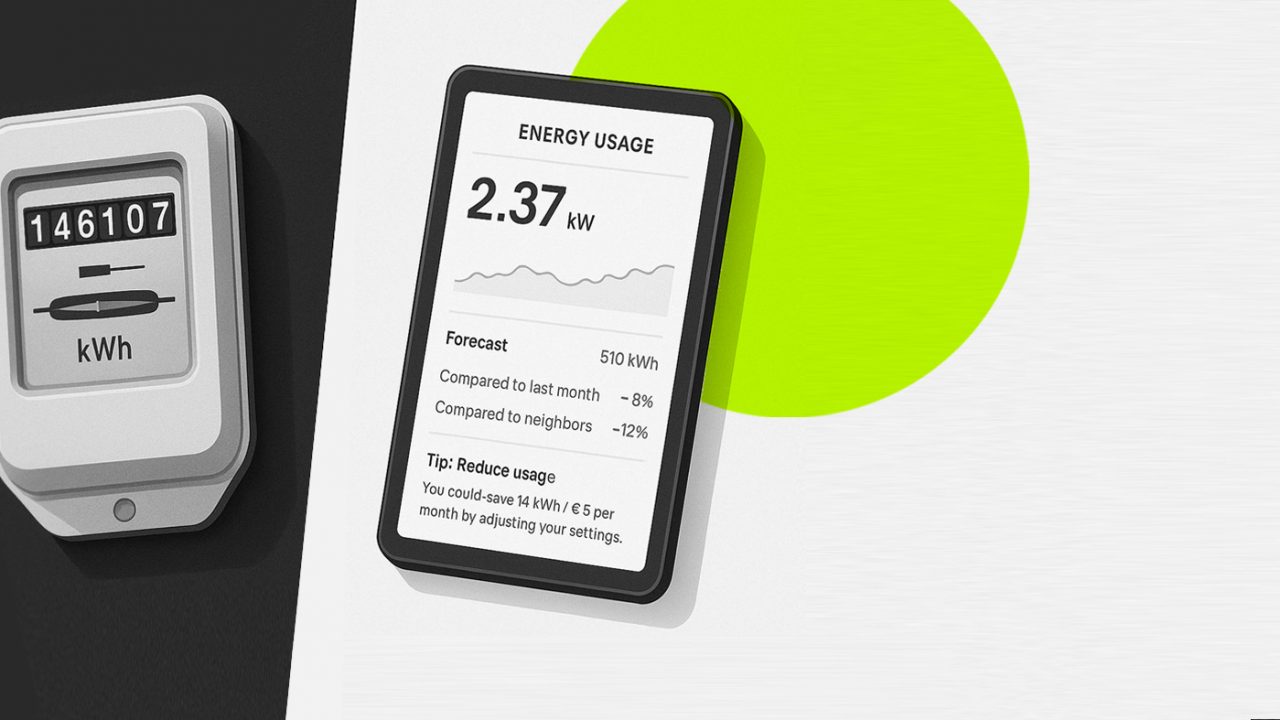
And that means UX is no longer a cosmetic layer – it’s the policy interface. Smart systems will not deliver smart outcomes unless they’re paired with smart interaction models. We need feedback that’s predictive, not reactive. Pricing that’s legible, not buried. Throttling that feels fair, not arbitrary. Systems that make their logic visible, negotiable, and adaptive.
That means rethinking how we show limits. How we surface cause and effect. How we let people simulate impact before it happens. It means giving people agency – even (and especially) when they’re not in control.
Some climate tech companies get this. Most recent EVs, for instance, don’t just throttle silently – they tell you when your charging speed changes, why, and what to expect. That’s not just transparency. It’s trust-building.
AWS simulates costs before you make a call. That’s not just budgeting. It’s behavioral scaffolding.
These are small design decisions with systemic consequences. Because when people understand the system, they adapt. And when they adapt, the system works better.
The opposite is also true: hide the logic, and you guarantee resistance, misuse, or disengagement. Which is exactly what we’re seeing right now in countless smart-grid rollouts, IoT-based home energy systems, and eco-digital platforms that were never tested with real humans.
The uncomfortable truth is: most of today’s sustainability tech is not designed for people. It’s designed for engineers. That’s fine if your only goal is technical feasibility. But if your goal is actual impact, you need design. And not just any design. You need interface design that assumes the user is a stakeholder – not a problem to be optimized.
Because in a world where every product touches energy, water, or bandwidth, the interface is the policy.
So let’s stop pretending this is someone else’s job. If you’re building climate-tech, you’re also building behavior.
And if you’re designing behavior, you’re in UX – whether you like it or not.